
Ayurveda for a Healthier Tomorrow: Ancient Wisdom Meets Modern Wellness
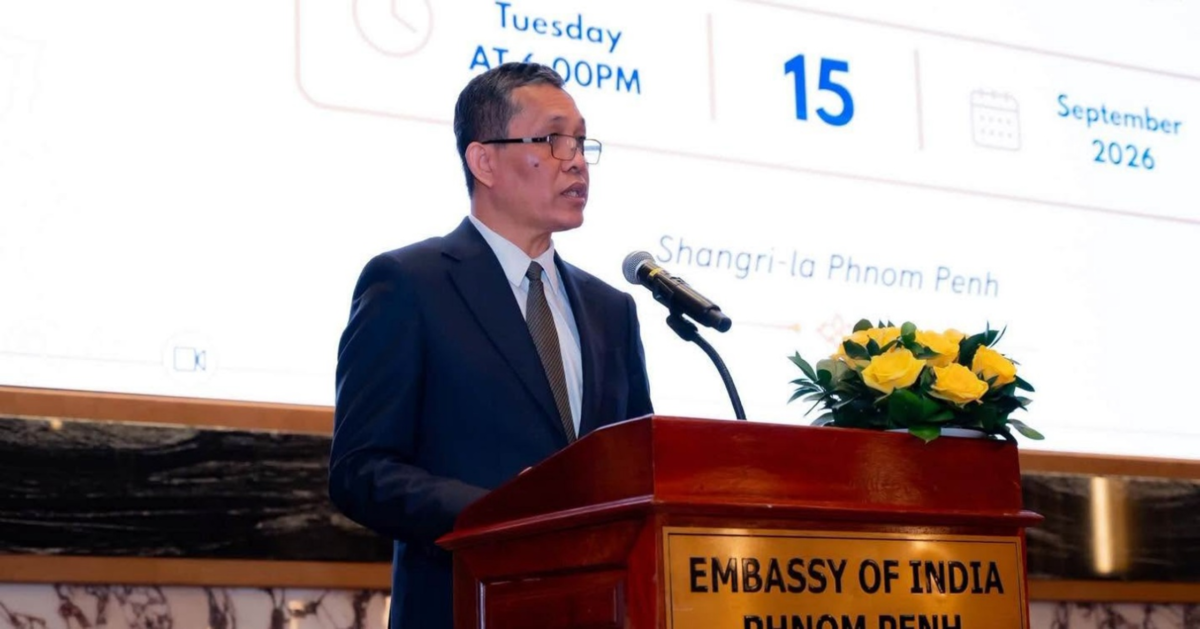
Today, September 23, marks the celebration of the 11th Ayurveda Day, held under the theme "Ayurveda for a Healthier Tomorrow." It is a fitting theme, one that captures the enduring relevance of Ayurveda and the role it can play in building healthier individuals, stronger communities and a more sustainable way of living.
Ayurveda is India's ancient tradition of knowledge and healthcare. For thousands of years it has offered holistic healing across India, and it continues to hold value in our modern world.
A Focus on Balance and Prevention
At its core, Ayurveda is a science centred on preventing illness and cultivating harmony between body, mind, lifestyle and the natural environment. Its principles emphasise balanced nutrition, sensible daily routines, physical health and preventive care, which is why it aligns so closely with the rising global interest in wellness and healthy living.
Ayurveda brings together India's deep well of traditional knowledge with modern research, scientific study, quality standards and innovation. This combined approach allows the wisdom of India's ancient heritage to be preserved while ensuring Ayurveda evolves to meet the demands of contemporary healthcare.
Government Support for Traditional Medicine
Reflecting the importance the Government of India places on advancing and promoting Ayurveda and other traditional Indian systems of medicine, a dedicated Ministry of AYUSH was created in 2014. Over the past 12 years, the Ministry and its institutions have worked to support education, research, healthcare delivery, infrastructure, quality assurance and international cooperation across Ayurveda and the other AYUSH systems.
The National AYUSH Mission has played a key role in strengthening AYUSH healthcare services and facilities. The government is also backing research initiatives such as AYURSWASTHYA, while the AOGUSY scheme works to raise the quality and development of AYUSH medicines and the wider pharmaceutical sector.
India is likewise placing greater emphasis on conserving and sustainably developing medicinal plants, a vital resource for traditional medicine. Taken together, these efforts reflect India's broader ambition to make traditional knowledge a meaningful part of a modern, accessible and evidence-informed healthcare system.
Shared Bonds Between India and Cambodia
Marking Ayurveda Day in Cambodia carries special significance, given the deep and lasting civilisational and cultural ties shared by India and Cambodia.
Our two nations have been linked for centuries through Buddhism, culture, art, architecture, shared knowledge and close people-to-people connections. The magnificent legacy of Angkor stands as a striking reminder of the depth of these historical and cultural bonds.
Within this broad relationship there is significant room to deepen collaboration in traditional medicine, Ayurveda, wellness, medicinal plants, education, research and capacity building. Cambodia's expanding tourism and hospitality industry also opens doors for cooperation in wellness and preventive health practices. In recent years, Ayurveda-related products have made their way into Cambodia and are becoming increasingly visible in cities such as Phnom Penh and Siem Reap.
The Government of India has been fostering international cooperation in Ayurveda through institutional partnerships, academic ties, joint research, training and expert exchanges. Exploring similar opportunities with our Cambodian partners should be a shared goal.
Looking to the Future
Ultimately, the theme "Ayurveda for a Healthier Tomorrow" carries a message about the value of prevention, balance and well-being. A healthier future depends not only on advances in medical treatment but also on greater awareness of healthy lifestyles, good nutrition, physical activity, mental well-being and harmony with nature. As we mark the 11th Ayurveda Day, let us look ahead to the future while staying rooted in the wisdom of the past.